
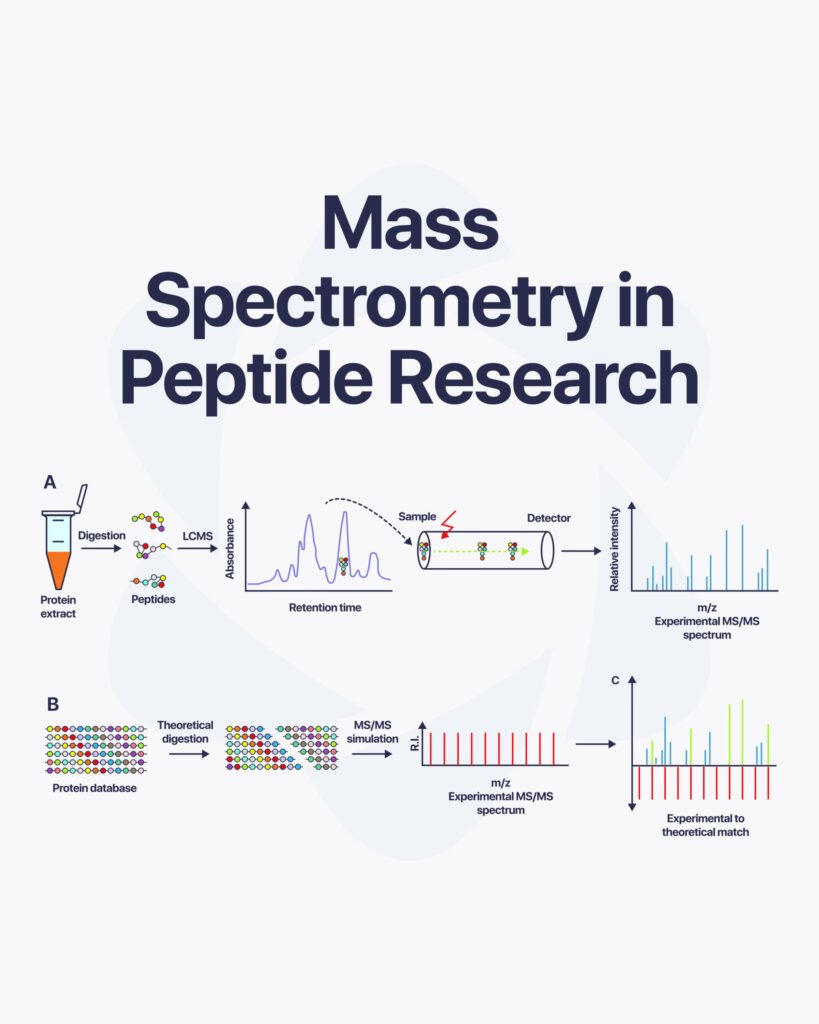
Mass Spectrometry in Peptide Research
What Is Mass Spectrometry? Mass spectrometry (MS) is an analytical technique used to identify and characterize molecules by measuring their…
June 12, 2026
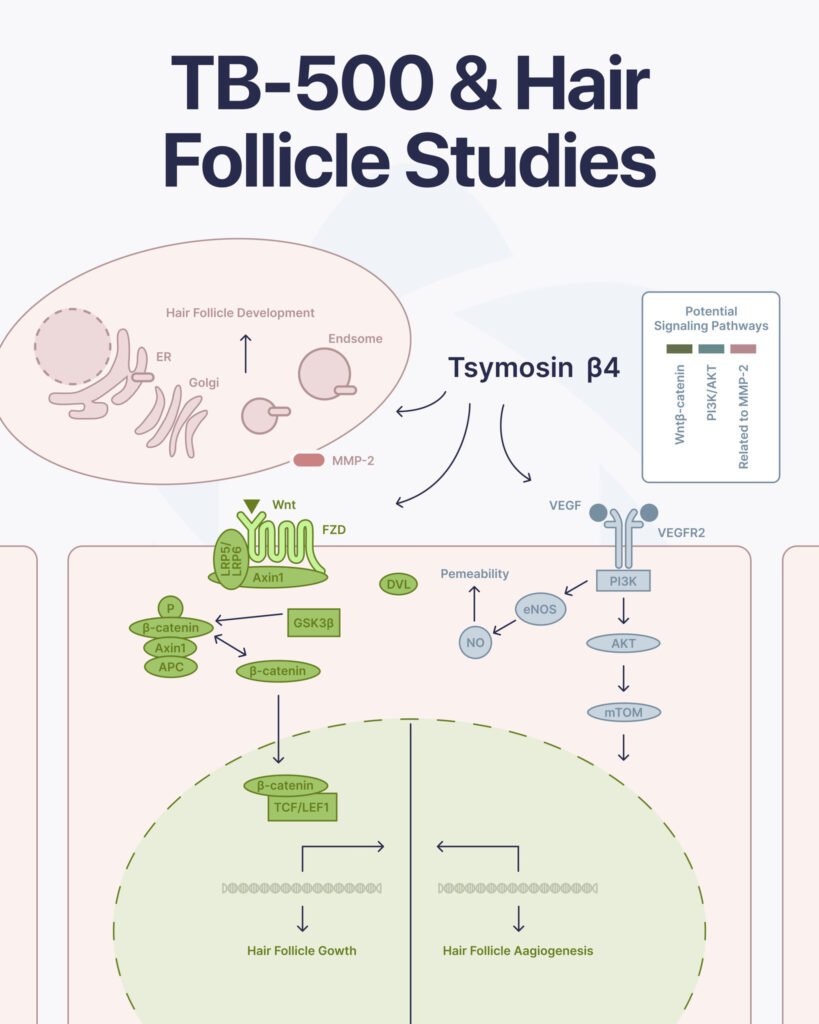

TB-500 & Hair Follicle Studies: What Research Says
What Is TB-500? TB-500 is a synthetic peptide derived from thymosin beta-4 (Tβ4), a naturally occurring protein found throughout human…
June 12, 2026
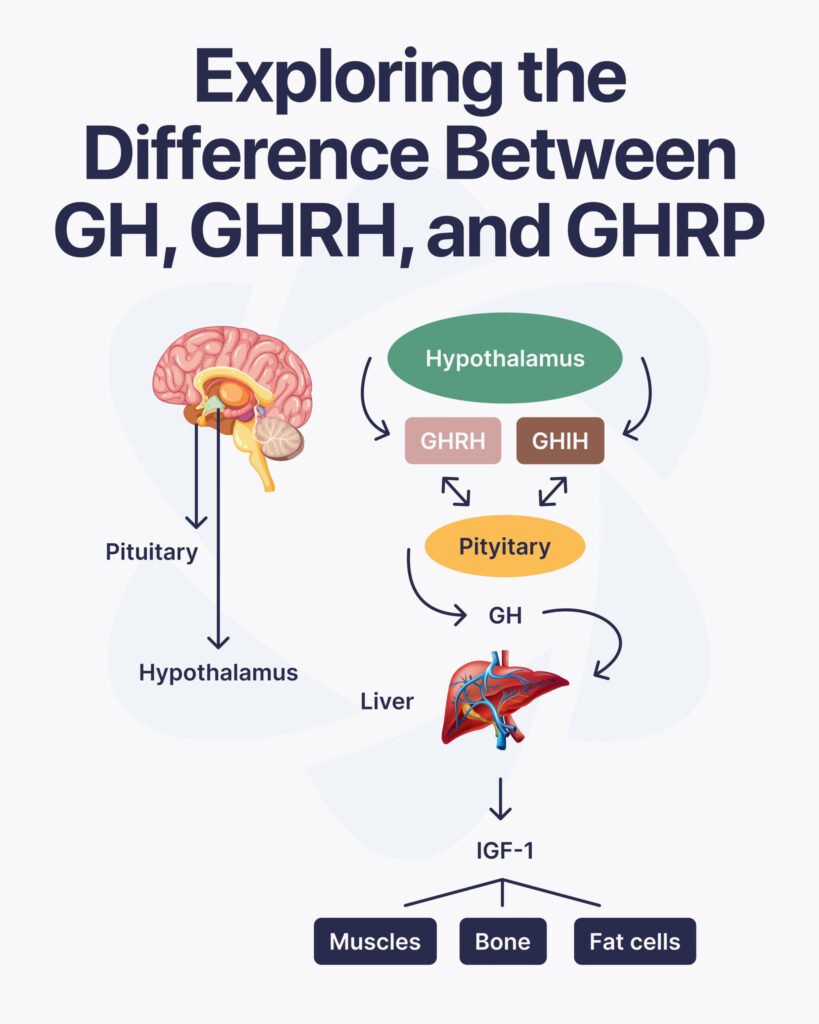
Exploring the Difference Between GH, GHRH, and GHRP
What Is Growth Hormone (GH)? Growth Hormone (GH), also known as somatotropin, is a naturally occurring protein hormone produced and…
June 12, 2026
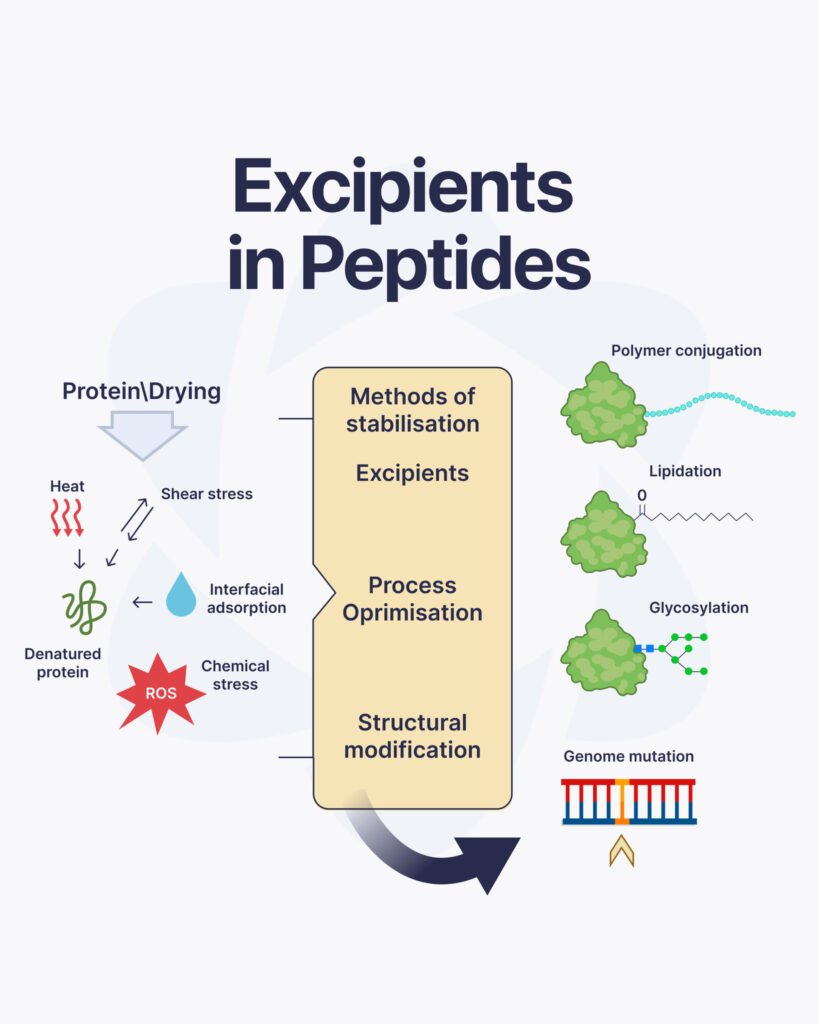
Excipients in Peptides: What are they and how are they used?
What Are Excipients? Excipients are inactive ingredients added to a formulation alongside the primary active compound. In peptide research and…
June 12, 2026
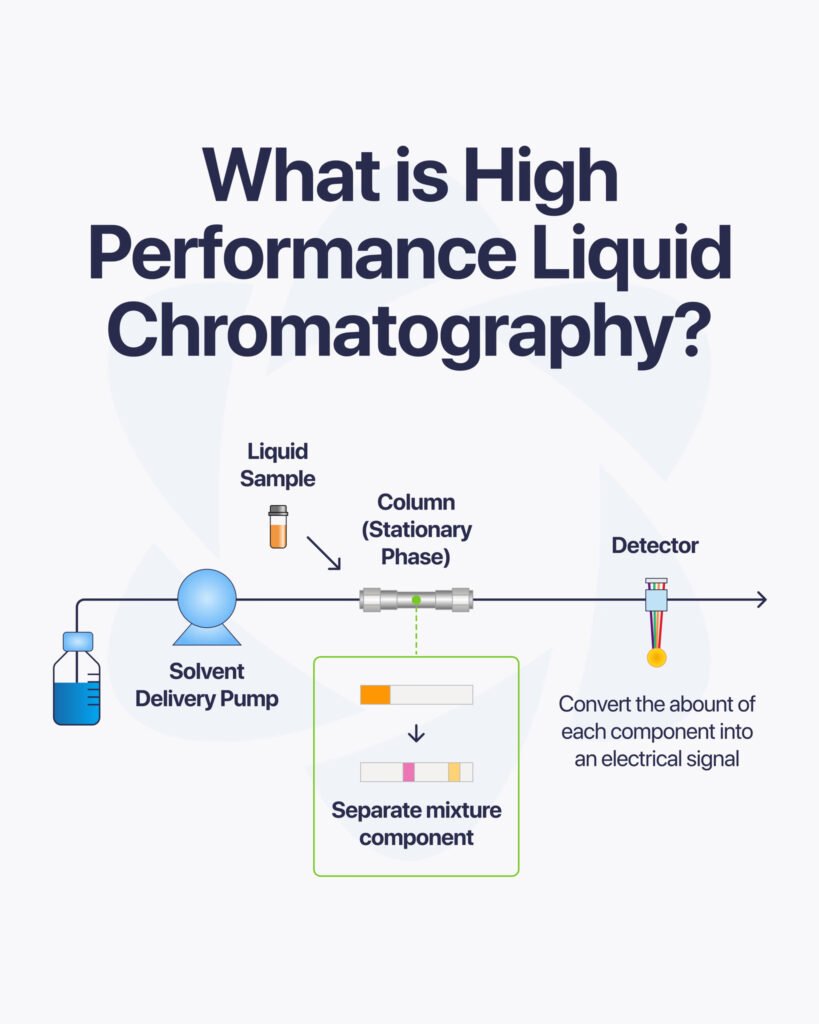
What Is High Performance Liquid Chromatography (HPLC)?
What Is High-Performance Liquid Chromatography (HPLC)? High-Performance Liquid Chromatography (HPLC) is a laboratory analytical technique used to separate, identify, and…
June 12, 2026
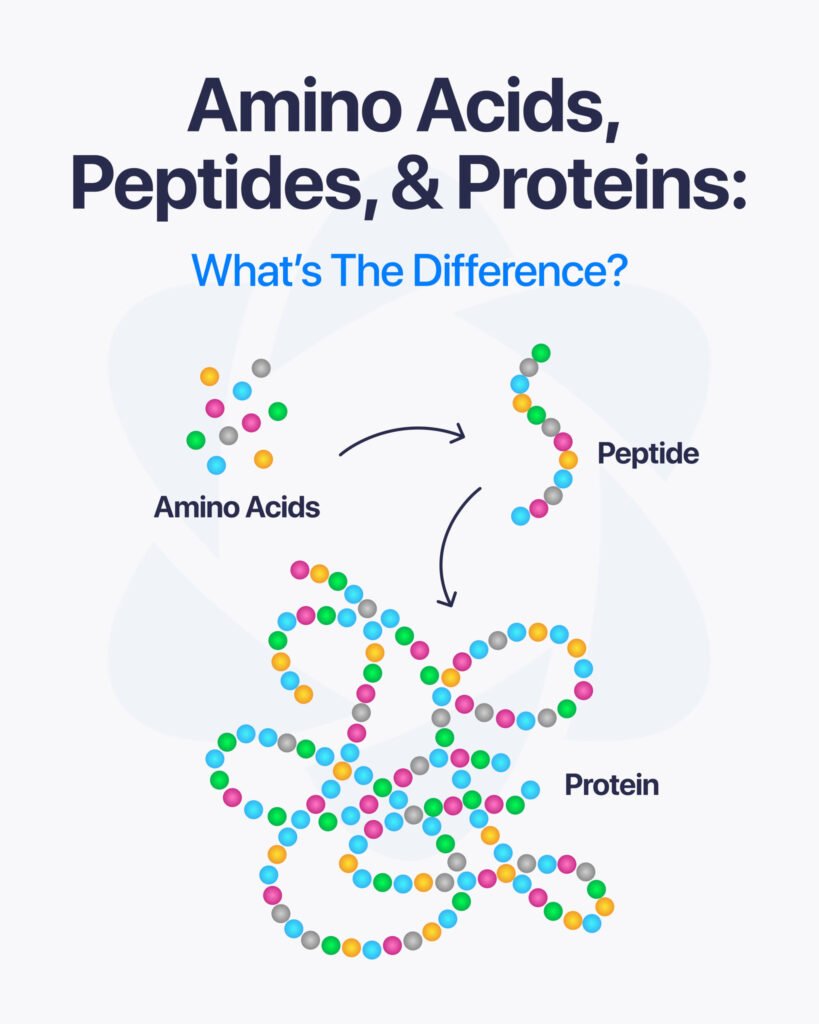
Amino Acids, Peptides, & Proteins: What’s The Difference?
What Are Amino Acids? Amino acids are organic molecules that serve as the fundamental building blocks of peptides and proteins.…
June 12, 2026
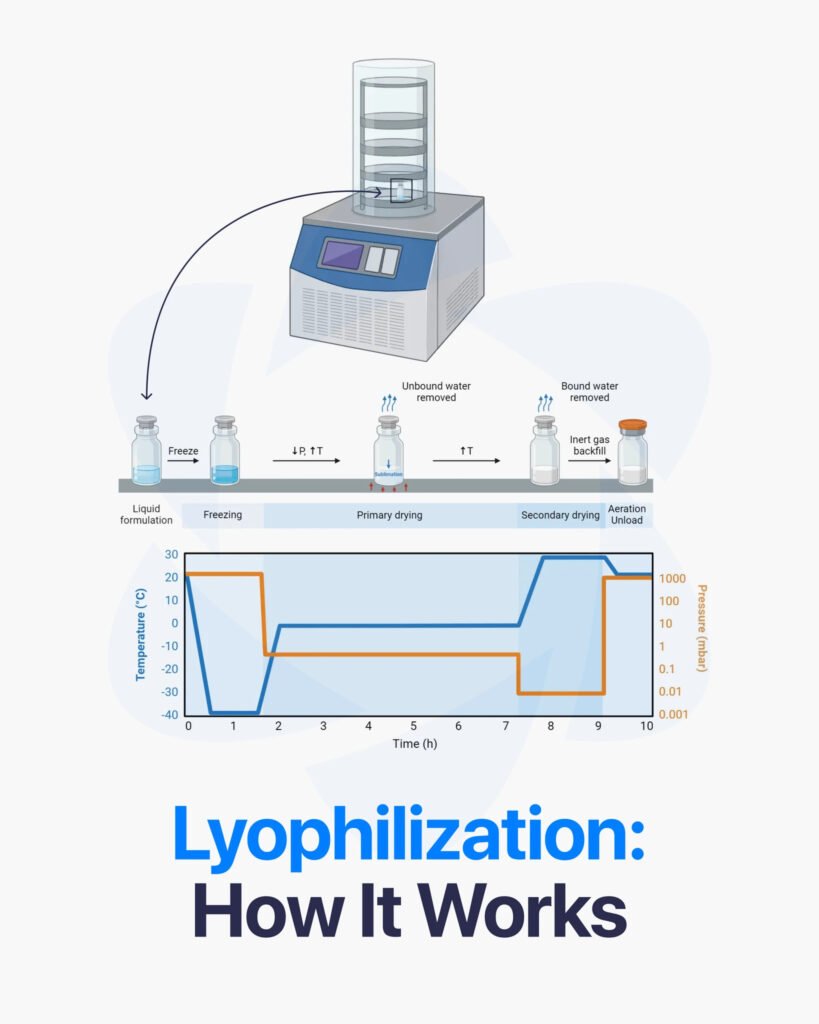
Lyophilization: How It Works
What Is Lyophilization? Lyophilization, commonly known as freeze-drying, is a preservation technique widely used in pharmaceutical and laboratory settings to…
June 12, 2026
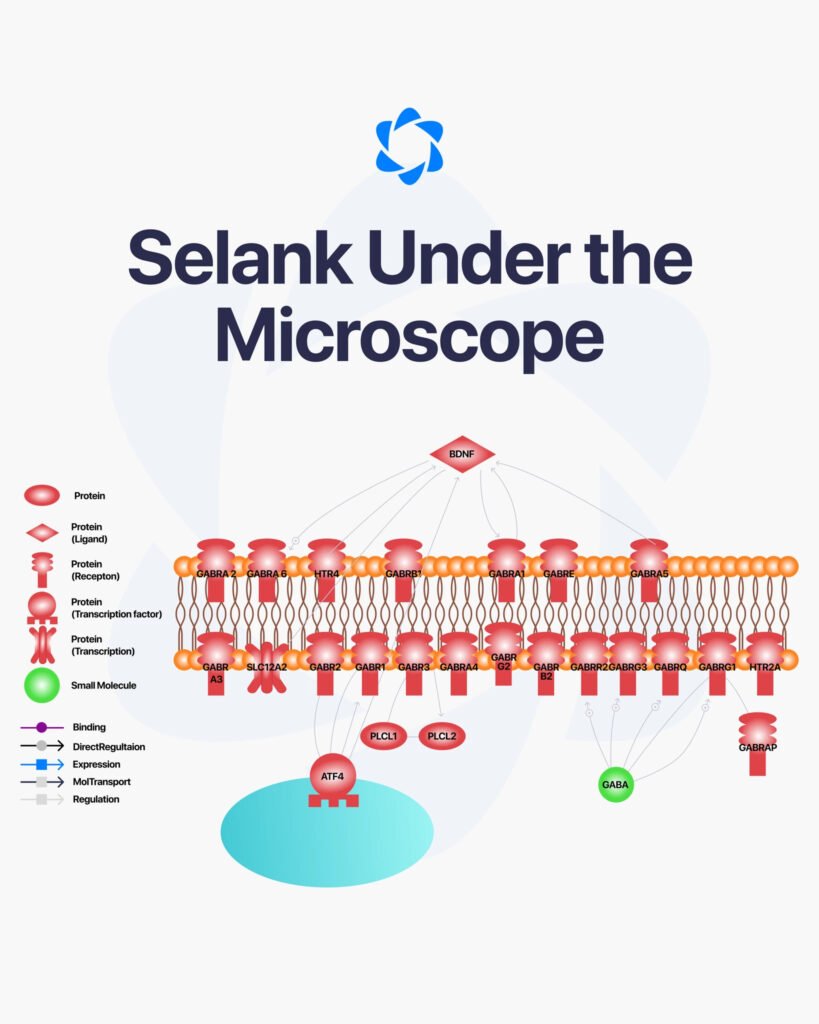
Selank Under the Microscope
What Is Selank? Selank is a synthetic heptapeptide composed of seven amino acids and derived from tuftsin, a naturally occurring…
June 12, 2026
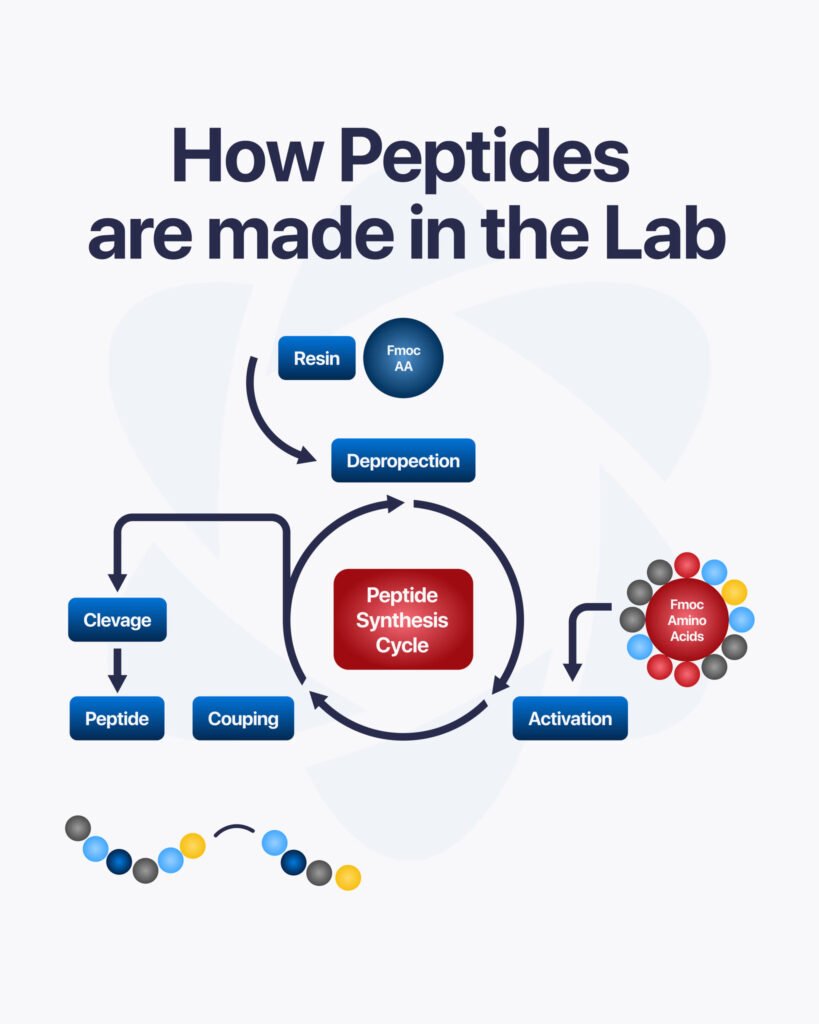
Peptide Synthesis: How Peptides are made in the Lab
What Is Peptide Synthesis? Peptide synthesis is the laboratory process used to create peptides by linking amino acids together through…
June 12, 2026
10% off · Ends in
24:00:00
 10% off
24:00:00
99% HPLC Purity
Triple-Tested Every Batch
Lyophilized Domestically
Same-Day Dispatch
30-Day Money-Back Guarantee
Free Shipping $250+
99% HPLC Purity
Triple-Tested Every Batch
Lyophilized Domestically
Same-Day Dispatch
30-Day Money-Back Guarantee
Free Shipping $250+

